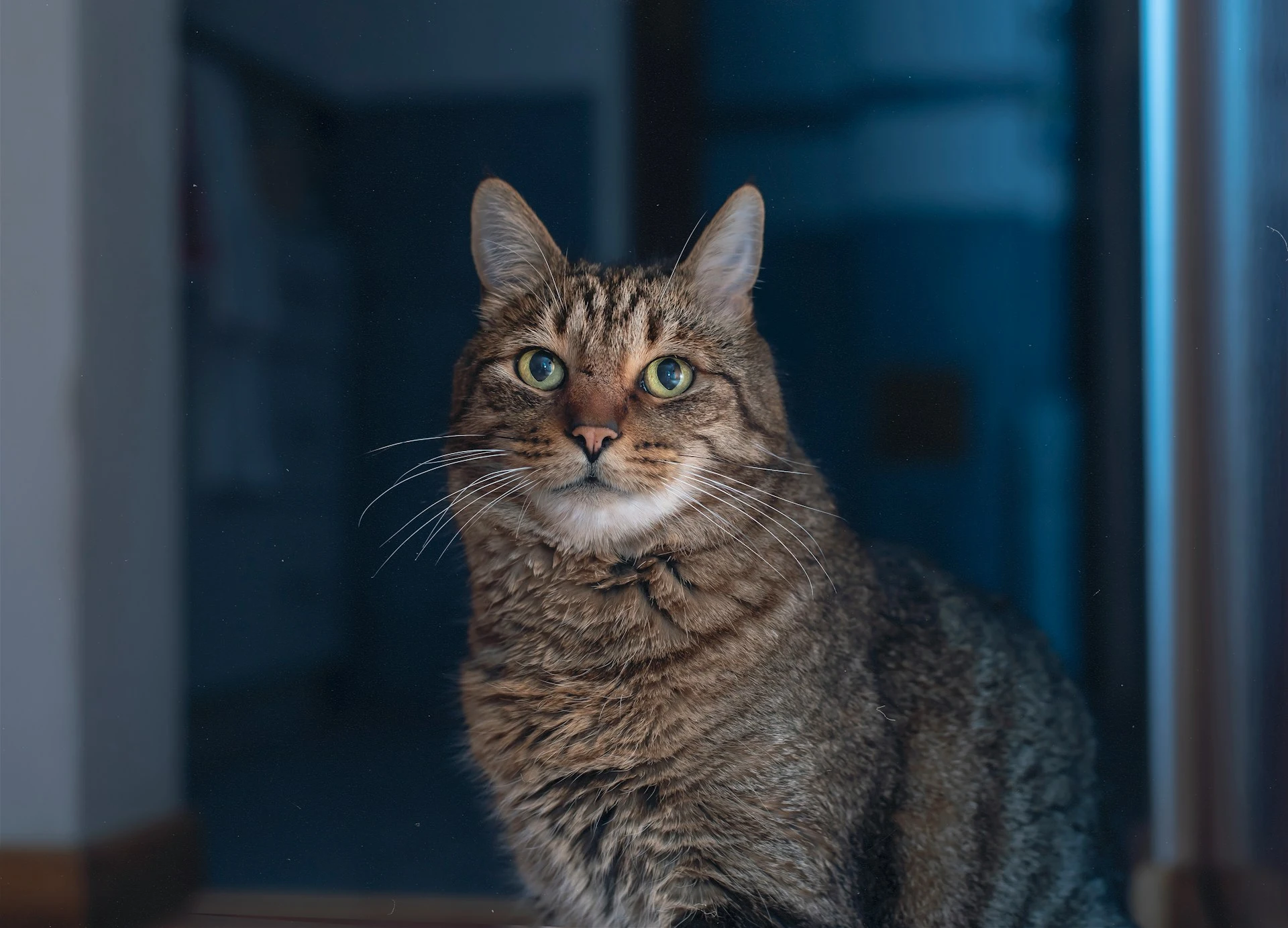
Our feline friends can’t tell us when they’re feeling under the weather, making it crucial for cat parents to stay vigilant about their pet’s health. Cats are masters at hiding illness – it’s an instinctive behavior that would protect them from predators in the wild. This natural tendency means subtle changes in their behavior or physical condition can signal significant health issues.
If you’re looking for a great animal clinic near me in Chesapeake, you’ve found us! We’re always happy to answer questions about pet health and care. In this article from Western Branch Veterinary Hospital, a Chesapeake VA vet lists some red flags to watch for.
Why Does Early Detection Matter In Chesapeake, VA Pets?
Your role as a pet parent includes being your cat’s health advocate. Learning to recognize potential warning signs can mean the difference between a minor health issue and a life-threatening emergency. A quick response to concerning symptoms allows veterinarians to diagnose and treat problems before they become severe. It also:
- Prevents unnecessary suffering
- Reduces treatment costs
- Increases chances of successful recovery
- Helps maintain your cat’s quality of life
Think of health monitoring as a daily check-in with your furry friend – a simple practice that could save their life. Let’s explore the critical warning signs that should prompt an immediate call to your veterinarian.
What Are The Signs Of Sickness For My Chesapeake, VA Pet?
1. Changes in Appetite
A sudden shift in your cat’s eating habits can signal underlying health concerns. Watch for these specific appetite changes:
- Complete Loss of Appetite: When your cat refuses food for 24+ hours
- Increased Hunger: Excessive eating or begging for food
- Selective Eating: Avoiding certain types of food they previously enjoyed
Dental Issues
Dental problems can show up in various ways, such as:
- Dropping food while eating
- Chewing on one side
- Pawing at the mouth
- Bad breath
Spotting key signs of dental troubles can prevent serious pain and suffering for your pet. Regular checks on your cat’s teeth and gums should be part of your routine. You can read more about pet dental issues at the PetMD website
here. You can also check our prior blog on spotting key signs of dental trouble
here.
Gastrointestinal Problems
Issues with the digestive system may result in changes to your cat’s appetite due to:
- Nausea
- Stomach pain
- Difficulty swallowing
- Food sensitivities
Read more about gastrointestinal issues at the Merck Veterinary Manual website
here.
Organ Disease Signs
Signs of potential organ disease include:
- Sudden increased appetite with weight loss
- Decreased interest in food with lethargy
- Changes in food preferences
- Eating non-food items
Additionally, it’s important to be aware of potential poisoning from plants, which can also lead to changes in your cat’s appetite. If you suspect that your cat has ingested a poisonous substance, it’s crucial to contact your local veterinarian or a 24-hour emergency poison hotline immediately.
You can learn more about toxic and nontoxic plants at the ASPCA website
here.
Cats naturally hide signs of illness, making appetite changes a crucial indicator of their health status. Any persistent changes lasting more than 48 hours warrant a veterinary check-up to rule out serious conditions.
2. Excessive Drinking and Urination
Is your cat making frequent trips to the water bowl or litter box? These behaviors might signal serious health concerns that require immediate attention.
Key Signs to Watch For:
- Drinking water more frequently than usual
- Larger clumps in the litter box
- Multiple bathroom visits throughout the day
- Water bowl empties faster than normal
- Accidents outside the litter box
Diabetes in Cats
Increased thirst and urination often point to feline diabetes. Your cat’s body struggles to process glucose properly, leading to elevated blood sugar levels. Other signs include weight loss despite a healthy appetite.
Kidney Disease Warning
The kidneys play a vital role in filtering waste. When they’re compromised, cats drink and urinate more to compensate. Early detection through regular vet check-ups helps manage this condition effectively.
Hormonal Imbalances
Thyroid issues can trigger excessive thirst and urination. An overactive thyroid gland speeds up your cat’s metabolism, causing increased drinking and more frequent bathroom visits.
Regular monitoring of your cat’s drinking and bathroom habits helps identify these potential health issues early. Track any changes in water consumption or litter box use to share with your veterinarian.
3. Lethargy and Weakness
If your usually active cat suddenly becomes lethargic or weak, it’s important to seek veterinary care right away. Here are some signs to look out for:
Key Indicators of Lethargy:
- Sleeping more than usual
- Reluctance to play or exercise
- Slow response to things happening around them
- Difficulty jumping or climbing stairs
- Decreased grooming habits
These symptoms can be caused by various underlying health issues:
Common Medical Causes:
- Anemia: Low red blood cell count leading to weakness
- Heart Disease: Reduced blood flow affecting energy levels
- Infections: Body fighting off illness causing fatigue
- Fever: Internal temperature changes draining energy
- Pain: Discomfort from injuries or arthritis
The Merck Veterinary Manual also has more information about anemia on their website
here.
Keep an eye out for these additional warning signs:
Additional Warning Signs:
- Loss of muscle mass
- Unsteady walking
- Head hanging low while walking
- Collapse or inability to stand
- Delayed reaction to favorite toys or treats
Cats typically sleep 12-16 hours a day, but any sudden change in their energy levels or strength should be evaluated by a veterinarian. If you notice these symptoms along with other health changes like loss of appetite or breathing difficulties, it could indicate serious conditions that require immediate medical attention.
4. Vomiting and Diarrhea
While occasional vomiting or diarrhea might not raise immediate concern, certain patterns require urgent veterinary attention:
Red Flag Symptoms:
- Vomiting multiple times within 24 hours
- Blood in vomit or stool
- Black, tarry stools
- Diarrhea lasting more than two days
- Simultaneous vomiting and diarrhea
Common Causes of Digestive Issues:
There are many possible causes of digestive issues. These include:
- Ingestion of toxic substances (plants, cleaning products)
- Foreign objects causing intestinal blockages
- Food allergies or sensitivities
- Bacterial or viral infections
- Parasitic infestations
A cat experiencing severe digestive issues may show additional symptoms:
- Loss of appetite
- Abdominal pain or swelling
- Drooling excessively
- Pawing at the mouth
- Lethargy or weakness
Cats with gastrointestinal blockages might attempt to vomit without producing anything. This “dry heaving” requires immediate medical attention, as blockages can quickly become life-threatening if left untreated.
5. Difficulty Breathing
Breathing difficulties in cats can signal serious health concerns that require immediate veterinary attention. Watch for these warning signs:
- Rapid breathing or panting
- Open-mouth breathing
- Noisy breathing including wheezing or crackling sounds
- Labored breathing with visible chest movement
- Blue-tinged gums or tongue
Common Causes of Breathing Issues
Respiratory infections represent a common cause of breathing issues in cats. These infections can stem from viral or bacterial sources, causing symptoms like:
- Persistent coughing
- Sneezing fits
- Nasal discharge
- Chest congestion
Heart Disease and Its Impact on Breathing
Heart disease can also manifest through breathing difficulties. Signs include:
- Breathing problems that worsen with activity
- Sudden collapse or weakness
- Reduced appetite
- Coughing, particularly at night
Other Potential Causes of Breathing Difficulties
Other potential causes of breathing difficulties include:
- Asthma
- Allergic reactions
- Foreign objects in airways
- Chest trauma
- Fluid accumulation around lungs
Any breathing abnormality warrants an immediate trip to your Chesapeake, VA veterinarian, as respiratory distress can quickly become life-threatening.
6. Behavioral Changes
Sudden changes in your cat’s behavior can indicate health problems that need attention. For example, if a usually friendly cat starts hiding under furniture, it may be in pain or sick. Here are some signs to look out for:
1. Increased Aggression
- Growling or hissing at familiar people
- Biting when touched in specific areas
- Unusual territorial behavior
2. Changes in Social Interaction
- Avoiding family members
- Excessive clingy behavior
- Withdrawal from daily activities
3. Unusual Vocalizations
- Persistent meowing
- Night-time crying
- Low-pitched growls
Cats that are anxious might show:
- Grooming excessively
- Going to the bathroom in inappropriate places
- Scratching destructively
- Pacing restlessly
These changes in behavior often mean your cat is uncomfortable, anxious, or in pain. Kitties are all unique, but a happy cat usually acts the same way all the time – any big changes should prompt a visit to the vet to rule out medical issues affecting your cat’s mental health.
One possible solution to some behavioral problems, especially aggression and anxiety, could be spaying or neutering your pet. This procedure not only helps reduce the number of homeless pets but also provides various medical and behavioral benefits for your animals. Check the ASPCA website
here for more information on spaying and neutering.
You can learn more, including information on unusual kitty vocalizations at the National Library Of Medicine published an interesting study on Fluffy’s conversations
here.
Cornell Feline Health Center also has a blog on spaying and neutering here.
7. Urinary Issues
Urinary problems in cats can signal serious health concerns that require immediate veterinary attention. Watch for these critical signs:
UTI Symptoms:
- Frequent trips to the litter box with little output
- Crying or straining while urinating
- Blood-tinged urine
- Urinating outside the litter box
- Strong ammonia smell in urine
Kidney Disease Warning Signs:
- Increased thirst
- Large clumps in the litter box
- Pale or brownish gums
- Decreased appetite
- Bad breath with ammonia scent
Male cats face a higher risk of urinary blockages – a life-threatening emergency that can develop within hours. If your cat shows signs of straining without producing urine, seek immediate veterinary care.
Quick Tip: Monitor your cat’s litter box habits daily. Clean boxes make it easier to spot changes in urine color, amount, or frequency – crucial indicators of urinary health issues.
Regular vet check-ups help detect urinary problems early, preventing painful complications and supporting your cat’s long-term health.
For more information about UTI’s and urinary blockages in cats, check out the WebMD site
here or the Vet Charity For Pets In Need website article
here. Cornell also has an informative piece
here.
8. Skin Conditions
Your cat’s skin health is a good indicator of their overall well-being. Keep an eye out for these important skin-related warning signs:
Common Allergy Symptoms:
- Persistent scratching or licking
- Red, irritated skin patches
- Scabs or crusty areas
- Swollen or puffy face
- Hair loss in specific areas
Signs of Parasitic Infestations:
- Visible fleas or flea dirt
- Small raised bumps
- Intense scratching around ears
- Restless behavior
- Circular patches of hair loss
Cats with skin issues might also show:
- Excessive grooming
- Scaling or dandruff
- Hot spots
- Changes in skin color
- Unpleasant odor from skin
These symptoms can indicate various conditions, including food sensitivities, flea allergies, or even fungal infections. If your cat has persistent skin issues, it’s important to take them to the vet. Chronic scratching can lead to secondary infections and increased discomfort. Regular grooming can help you spot any skin problems early on. It’s also a great way to make Fluffy feel pampered!
9. Signs of Pain or Discomfort
Cats are experts at hiding their pain, so it’s important to be able to recognize the subtle signs that they may be uncomfortable. Here are some key indicators that your cat might be in pain:
Physical Signs:
- Hunched posture or reluctance to move
- Squinting or dilated pupils
- Flattened ears against the head
- Tail tucked close to the body
- Limping or favoring certain body parts
Behavioral Changes:
- Growling when touched in specific areas
- Reduced grooming or over-grooming particular spots
- Unusual aggression during handling
- Withdrawing from social interaction
Abscesses require special attention – these painful, swollen areas often result from cat fights or injuries. Watch for:
- Hot, tender lumps under the skin
- Matted fur with discharge
- Visible wounds or puncture marks
- Local hair loss around the affected area
If you notice any of these symptoms in your cat, it’s important to seek veterinary care right away. Untreated pain can lead to complications and a lower quality of life for your pet. Regularly checking your cat’s body can help you catch these issues early, especially after they’ve been outside or interacted with other cats.
10. Physical Abnormalities
Physical abnormalities on your cat’s body require immediate attention and veterinary evaluation. Here’s what to watch for:
Lumps and Bumps:
- Soft, movable lumps under the skin
- Hard, fixed masses that don’t move easily
- Sudden growth or changes in existing bumps
- Any lump larger than a pea
Open Wounds:
- Puncture wounds from fights
- Scratches that don’t heal
- Oozing or bleeding areas
- Red, swollen, or warm areas around wounds
Regular body checks help detect these issues early. Run your hands gently over your cat’s entire body during grooming or cuddle sessions. Pay special attention to:
- Areas under the fur
- Between the toes
- Around the face and neck
- Base of the tail
Some lumps might be harmless fatty deposits, while others could signal serious conditions like tumors or infections. Any unexplained physical changes warrant a veterinary visit – early detection leads to better treatment outcomes.
FAQs (Frequently Asked Questions)
Why is it important to recognize cat health warning signs in my Chesapeake, VA pet early?
Recognizing cat health warning signs early is crucial because timely veterinary care can make a significant difference in your cat’s recovery and overall well-being. Early detection of symptoms allows for prompt treatment, potentially preventing serious health issues.
It’s also important to not that cats tend to hide signs of illness. Fluffy may be quite sick by the time you notice anything wrong!
What are common causes of changes in my Chesapeake, VA cat’s appetite?
Changes in a cat’s appetite can indicate dental problems, gastrointestinal issues, or organ diseases. Monitoring your cat’s eating habits helps identify potential underlying health concerns that require veterinary attention.
What does excessive drinking and urination indicate in cats?
Excessive drinking and urination in cats may signal diabetes, kidney disease, or hormonal imbalances. These symptoms should never be ignored as they often point to serious medical conditions needing prompt diagnosis and treatment.
How can I identify lethargy and weakness in my cat, and what might cause these symptoms?
Lethargy and weakness in cats manifest as lack of energy or reduced strength. Causes include infections, chronic diseases, or other health problems. Noticing these signs early helps ensure your cat receives necessary care to address the underlying issue.
When should vomiting and diarrhea in cats be considered a warning sign?
Vomiting and diarrhea become concerning when persistent or severe, possibly indicating gastrointestinal blockages, toxins ingestion, or other digestive issues. Prompt veterinary evaluation is essential to prevent complications.
What behavioral changes in cats might indicate health problems?
Behavioral changes such as increased anxiety, aggression, withdrawal, or signs of pain can indicate underlying health issues or discomfort. Observing these changes closely helps identify when your cat needs medical assessment.
Contact Our Chesapeake, VA Pet Hospital
Our feline friends are masters at hiding when they’re feeling under the weather, but paying close attention to subtle changes can make all the difference in catching illness early. At Western Branch Veterinary Hospital, we’re always here to help you decode those tiny signs your cat might be giving you – whether it’s a sudden change in appetite, unusual hiding, or that grumpy “don’t touch me” glare that’s out of character. If you’ve noticed anything unusual with your cat lately, give us a call. We’d love to make sure she stays healthy, happy, and ready to rule her kingdom for years to come.
Looking for a great animal clinic? You can try searching ‘vet near me’ or call us! To learn more about our pet hospital, visit our Services page
here.
This blog is meant to be informational only. Always consult with your veterinarian for the right medical advice, diagnosis, or treatment plan for your pet and follow their advice.