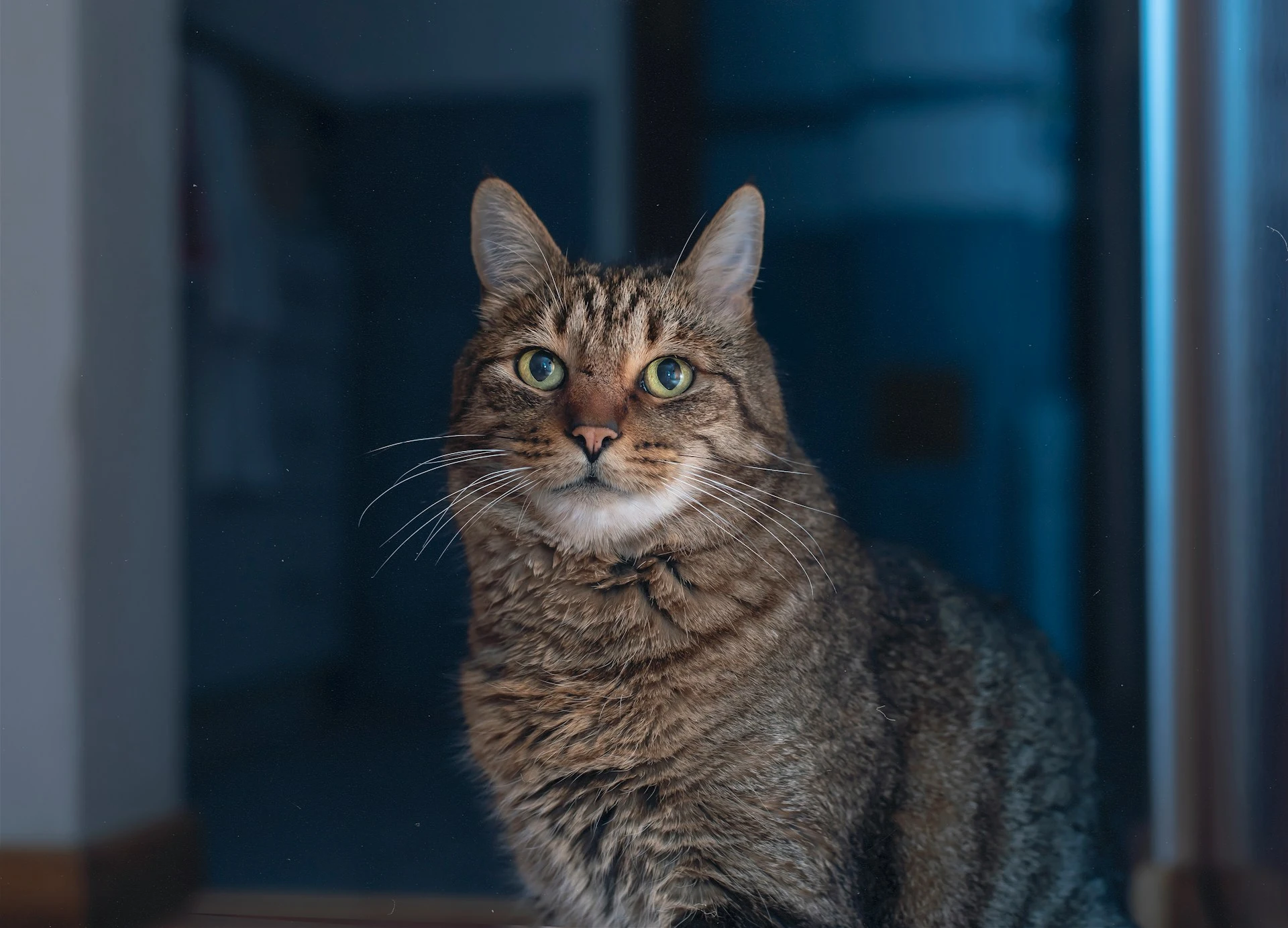
Your cat might think she’s the queen of her indoor kingdom – lounging in sunny window spots, swatting at invisible ghosts, and judging your every move from atop the fridge. But even royal indoor cats need a little extra care to stay happy and healthy. At Western Branch Veterinary Hospital, we know indoor cat care goes beyond fresh litter and endless treats; it’s about keeping her mind sharp, her body agile, and her whiskers twitching with curiosity. After all, a bored kitty is just a mischievous genius waiting to happen – and your curtains will thank you for keeping her entertained.
If you are searching online for a veterinarian near me in Chesapeake, VA we’ve got you covered. Let’s explore the essential elements of indoor cat care, backed by trusted veterinary expertise from Chesapeake VA vets, who understand your commitment to giving your feline friend the best possible life.
How Do You Keep Your Chesapeake, VA Kitty Purring?
Your indoor cat deserves a life filled with comfort, enrichment, and optimal health care. Indoor cats live longer, safer lives away from outdoor hazards like traffic, predators, and diseases. A well-planned indoor environment helps your feline friend thrive while staying protected.
Indoor cats should have a comfortable, enriched, and healthy life. They live longer and safer lives compared to outdoor cats exposed to dangers like traffic and predators. Designing an indoor space that meets all your cat’s needs is essential for their well-being. To create the ideal indoor sanctuary for your cat, it’s crucial to understand their specific requirements:
- Safety and Security: A controlled environment free from outdoor risks
- Mental Stimulation: Enrichment activities that satisfy natural instincts
- Physical Health: Proper nutrition and exercise tailored for indoor living
- Emotional Well-being: Stress-free spaces that support natural behaviors
Safety First
One of the primary concerns when keeping a cat indoors is ensuring their safety. Creating a controlled environment that is free from outdoor risks is crucial. This includes being aware of potential hazards such as toxic plants. Learn more petproofing tips at the American Humane Society website
here.
Mental Stimulation
Cats are naturally curious creatures that require mental stimulation to keep them happy. Providing enrichment activities that satisfy their instincts can greatly enhance their quality of life. The ASPCA website has more information on that
here.
Physical Health
Maintaining proper nutrition and exercise is vital for your indoor cat’s physical health. Tailoring these aspects to suit an indoor lifestyle is essential for their overall well-being.
Emotional Well-being
Lastly, creating stress-free spaces that support natural behaviors will significantly contribute to your cat’s emotional well-being.
How Do You Create a Safe and Comfortable Territory for Your Indoor Chesapeake, VA Cat?
Cats thrive on having their own designated spaces within your home. A well-planned territory helps prevent stress-related behaviors and creates a harmonious living environment.
Essential Territory Setup:
- Place food bowls away from water stations and litter boxes
- Create multiple elevated perches near windows
- Set up quiet retreat spaces in low-traffic areas
- Install vertical climbing options like cat trees or wall shelves
Personal Space Guidelines:
- Allow 18-24 inches between feeding stations for multiple cats
- Position litter boxes in separate rooms when possible
- Provide one scratching post per main living area
- Include both sunny and shaded resting spots
Stress-Prevention Tips:
- Use calming pheromone diffusers in high-traffic areas
- Add cardboard boxes or cat caves for security
- Maintain consistent locations for essential resources
- Keep feeding and litter areas away from noisy appliances
Your cat’s territorial needs might change over time. Watch for signs of stress like excessive grooming or hiding. Your Chesapeake VA veterinarian can offer tips to help you optimize your cat’s space based on their specific personality and health requirements.
What Are Some Nutrition and Hydration Essentials for Indoor Cats?
Indoor cats face unique dietary challenges due to their sedentary lifestyle. A balanced diet tailored to their reduced activity level helps prevent obesity, which is one of the most common health concerns in indoor felines.
Key Diet Considerations:
- Choose foods with high-quality protein as the first ingredient
- Control portion sizes based on age, weight, and activity level
- Limit treats to 10% of daily caloric intake
- Monitor weight changes monthly
Hydration Tips for Indoor Cats:
- Place multiple water stations throughout your home
- Keep water bowls away from food dishes
- Consider pet fountains – many cats prefer moving water
Recommended Feeding Schedule:
- Adult cats: 2-3 small meals daily
- Measure portions using standard measuring cups
Your Chesapeake VA vet can create a personalized nutrition plan based on your cat’s specific needs, age, and health status.
How Do I Provide Cozy and Appropriate Kitty Resting Places?
Cats spend 12-16 hours daily sleeping, making comfortable resting spots essential for their well-being. Your feline friend’s natural instincts draw them to elevated perches and hidden nooks that offer both security and observation points.
Ideal sleeping spots include:
- Window sills with soft cushions
- Cat trees with built-in platforms
- Enclosed cat caves or boxes
- Quiet corners away from household traffic
- Elevated shelves with cozy bedding
Creating multiple sleeping areas throughout your home helps your cat adjust to natural sleep-wake patterns. These varied spots allow them to shift locations based on temperature, light levels, and social needs throughout the day.
Quality rest directly impacts your cat’s immune system, mood, and stress levels. A cat with access to preferred sleeping spots shows reduced anxiety and better overall health. Consider placing beds in both sunny spots for warmth and darker areas for undisturbed naps.
Pro tip: Notice where your cat naturally gravitates to rest and enhance these spots with soft blankets or cushions. Cats often prefer sleeping areas that offer a mix of security and vantage points to watch their surroundings.
What Are Some Exercise and Environmental Enrichment Strategies for Indoor Cats?
Indoor cats need regular physical activity to maintain a healthy weight and strong muscles. A sedentary lifestyle can lead to obesity, joint problems, and behavioral issues. Let’s explore effective ways to keep your indoor cat active and engaged.
Essential Exercise Equipment
Make sure you have the following exercise equipment for your indoor cat:
- Multiple scratching posts with different textures (sisal, carpet, cardboard)
- Vertical climbing spaces like cat trees or wall-mounted perches
- Tunnels and hideaways for exploration
- Puzzle feeders and treat-dispensing toys
Creating an Enriching Environment
Window perches serve as natural entertainment centers for indoor cats. Position comfortable viewing spots near windows where birds and wildlife frequent. Consider setting up a bird feeder outside to create an engaging “cat TV” experience.
Natural Hunting Simulation
Cats retain their hunting instincts even indoors. Here’s how to satisfy these natural behaviors:
- Place food bowls in different locations each day
- Hide small portions of dry food around the house
- Use treat balls that release kibble during play
- Create treasure hunts with favorite toys
Strategic Feeding Methods
Transform mealtime into an engaging activity by incorporating food puzzles that require problem-solving:
- Divide daily portions into smaller meals
- Use food puzzles
- Place food at different heights to encourage climbing
- Create DIY feeding stations using household items
Movement-Based Activities
Encourage physical activity through:
- Wand toys that mimic prey movement
- Rolling balls with bells inside
- Crinkly paper or empty paper bags
- Cat-safe bubbles for chasing
These enrichment strategies help prevent boredom and maintain your cat’s physical and mental well-being. Regular exercise reduces the risk of common health issues and keeps your indoor cat stimulated throughout the day.
Remember to consult with your Chesapeake VA veterinarian for more ideas on how to keep your indoor cat entertained. You can also read more at the Animal Humane Society website
here.
How Do I Use Interactive Toys To Make Playtime Engaging?
Regular play sessions are essential for your indoor cat’s physical and mental well-being. A bored cat can develop behavioral issues, but structured playtime keeps them happy and healthy.
Essential Interactive Toys for Indoor Cats:
- Wand toys with feathers or ribbons
- Treat-dispensing puzzle balls
- Crinkly tunnels
- Catnip-filled mice
- Cardboard boxes with peek holes
- Laser pointers (always end play with a physical toy)
Playtime Tips:
- Schedule 2-3 daily play sessions lasting 10-15 minutes
- Rotate toys weekly to maintain excitement
- Hide toys in different locations to encourage exploration
- Use treat balls during meal times for added enrichment
- Create obstacle courses with boxes and paper bags
Fun Games to Try:
- Hide-and-seek with treats
- Chase the string (supervised)
- Fetch with small soft toys
- “Hunt” for kibble trails
- Bubble catching (pet-safe bubbles)
Remember to store wand toys safely between play sessions and inspect toys regularly for wear and tear. Your Chesapeake VA veterinarian can suggest additional enrichment ideas tailored to your cat’s age and activity level.
What Are The Optimal Litter Box Placement and Hygiene Practices?
Proper litter box setup directly impacts your cat’s health and happiness. A basic rule of thumb:
maintain one box per cat, plus an extra. This prevents territorial disputes and ensures backup options.
Strategic Placement Makes a Significant Difference:
- Choose quiet, low-traffic areas away from food bowls
- Avoid noisy appliances or mechanical rooms
- Select spots with clear escape routes
- Place boxes on each floor of multi-level homes
Litter Selection Tips:
- Pick unscented varieties – cats prefer natural smells
- Choose low-dust options to protect respiratory health
- Maintain consistent 2-3 inches of litter depth
Daily Maintenance Routine:
- Scoop waste daily
- Wipe box edges and surrounding area
- Replace litter completely every 2-3 weeks
- Wash boxes monthly with mild soap and warm water
Cats appreciate pristine bathroom conditions – just like humans! A clean, well-maintained litter box prevents unwanted house-soiling behaviors and supports your cat’s natural instincts. Our Chesapeake VA veterinarians also recommend monitoring your cat’s litter box habits as changes can indicate potential health issues.
How Do I Enhance Indoor Cat Safety and Well-being Beyond Basics?
Indoor cats benefit from controlled outdoor experiences under proper supervision. A
“catio” – a screened outdoor enclosure – allows cats to safely enjoy fresh air and natural stimulation. Harness training presents another option, though cats need gradual introduction to both the harness and outdoor walks.
Essential Safety Measures:
- Remove toxic houseplants like lilies, philodendrons, and pothos. The ASPCA has a great list of safe and unsafe plants at their website here.
- Install secure window screens to prevent falls
- Microchip your cat and use a breakaway collar with ID tags
- Keep dangerous items locked away (cleaning supplies, medications)
It’s also crucial to maintain your cat’s health by regularly monitoring for any signs of dental troubles. For instance, spotting dental troubles can help you catch potential issues early. Check out our blog on that
here.
Companionship Solutions:
- Consider adopting a feline friend if your cat shows signs of loneliness
- Set up multiple feeding stations and litter boxes for multi-cat households
- Create separate territories with vertical spaces and hiding spots
Your Chesapeake VA veterinarian can provide personalized guidance on safe outdoor experiences and help identify potential household hazards. Regular wellness checks ensure your indoor cat maintains optimal health while exploring these enrichment options. Additionally, they can assist with important decisions such as whether to spay/neuter your pet, which can have significant medical and behavioral benefits.
FAQs (Frequently Asked Questions)
Why is specialized indoor cat care important for my feline’s health and happiness?
Specialized indoor cat care is essential for ensuring your cat’s safety, minimizing disease risks, and promoting their overall well-being. By keeping cats indoors, you protect them from outdoor dangers. Tailored care addresses their specific requirements such as territory, nutrition, exercise, and mental stimulation.
How can I create a safe and comfortable territory for my indoor cat?
Creating a safe and comfortable territory involves providing personal spaces such as individual litter boxes, feeding stations, and resting areas to reduce stress. Understanding your cat’s need for privacy helps prevent behavioral issues like urine marking and destructive scratching. Consulting a Chesapeake VA vet can offer personalized advice on setting up these territories effectively.
What are the best nutrition and hydration practices for indoor cats?
Indoor cats require balanced diets to prevent obesity and diabetes common in less active felines. Incorporating canned food increases moisture and protein intake, while ensuring fresh water availability—preferably through water fountains—encourages proper hydration. Regular veterinary guidance from Chesapeake VA professionals can help tailor diet plans to your cat’s specific needs.
How can I provide appropriate exercise and environmental enrichment for my indoor cat?
Regular physical activity is essential for indoor cats to maintain health. Use various scratching posts to encourage stretching, provide window perches for natural curiosity stimulation, and incorporate interactive feeding strategies like hiding small food portions to mimic hunting behavior. Our Chesapeake VA veterinary clinic can offer tips.
What are optimal litter box placement and hygiene practices for indoor cats?
Place litter boxes in clean, quiet, and easily accessible locations with one box per cat plus an extra. Use unscented, low-dust litter to prevent aversion or respiratory issues. Daily cleaning routines are vital to maintain hygiene and prevent health problems.
When should I consult my Chesapeake VA vet regarding my indoor cat’s health?
Monitor your indoor cat’s health indicators regularly and seek professional attention if you notice changes in behavior, appetite, or signs of illness. Regular veterinary check-ups tailored for indoor cats help optimize their environment and wellness. Take Fluffy to your trusted Chesapeake VA veterinarian regularly.
Contact Our Chesapeake, VA Animal Hospital
Ready to give your indoor cat the best possible care? Our Chesapeake VA clinic offers comprehensive feline wellness services, from routine check-ups to environmental enrichment advice. If you’re looking for a great veterinary clinic near me, you’ve found us!
Schedule a wellness appointment with our experienced veterinarians. We’ll assess your cat’s specific needs and create a personalized plan to keep them thriving indoors.
Visit our Services page
here for more information on our pet clinic and the animals we treat.
This blog is meant to be informational only. Always consult with your veterinarian for the right medical advice, diagnosis, or treatment plan for your pet and follow their advice.