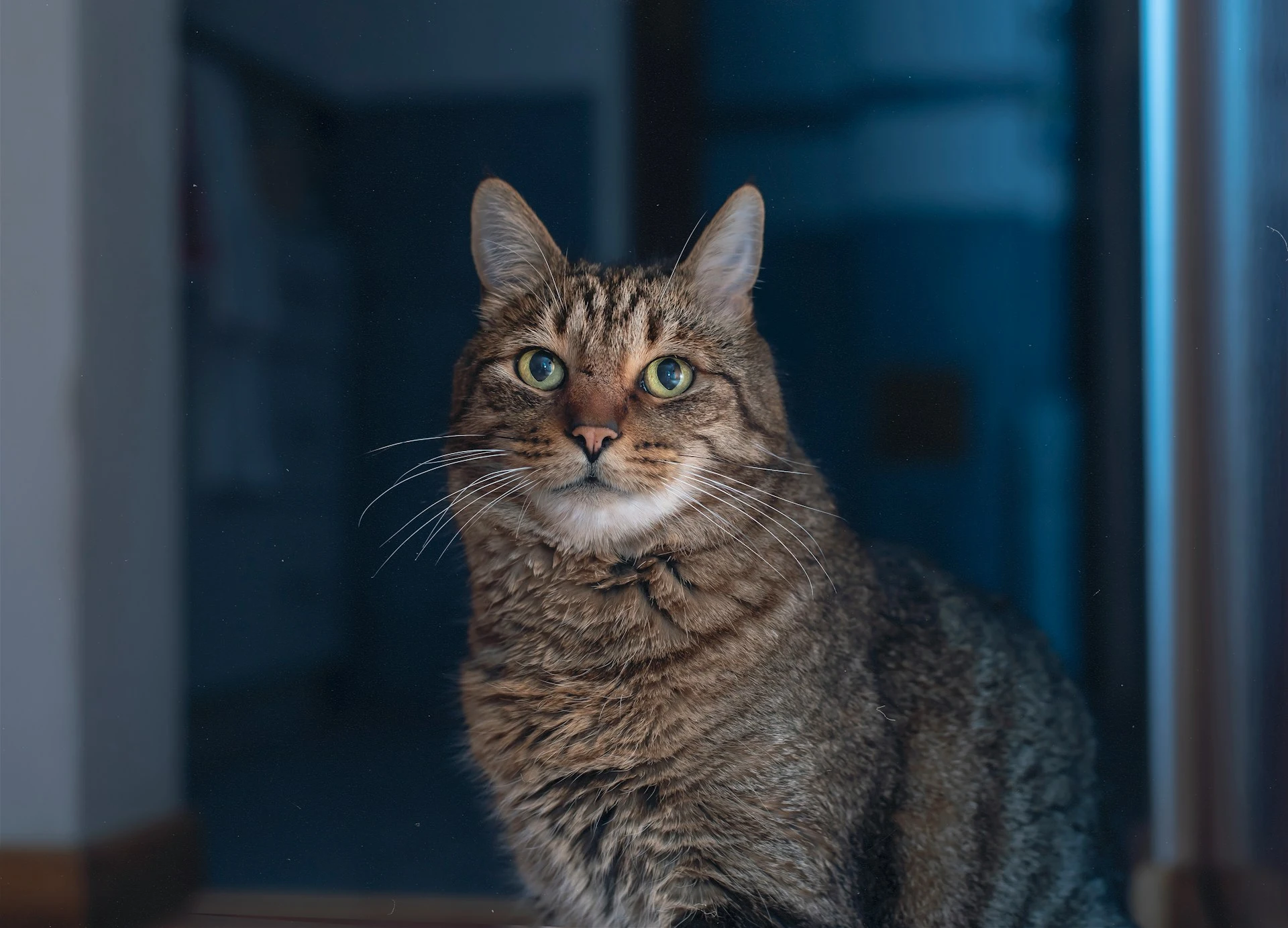
Heartworm disease poses a serious threat to our beloved pets, causing potentially fatal damage to their hearts, lungs, and blood vessels. These parasitic worms, transmitted through mosquito bites, can grow up to 12 inches long inside your pet’s body, creating a life-threatening situation for both cats and dogs.
The good news? Heartworm disease is
preventable with proper medication and veterinary care. Regular prevention not only protects your pet from this devastating disease but also saves you from the emotional and financial burden of complex treatments.
At Western Branch Veterinary Hospital in Chesapeake, your Chesapeake, VA pet clinic, we’ve seen how early prevention makes all the difference in keeping pets healthy and active. A simple monthly preventive medication, combined with routine veterinary check-ups, can shield your furry friend from these dangerous parasites.
Think of heartworm prevention as a safety net – it’s much easier to prevent the disease than to treat it once it takes hold. Your pet’s heart health deserves this essential protection.
What Is Heartworm Disease?
Heartworm disease is a complicated parasitic infection spread by mosquito bites. The parasites, known scientifically as
Dirofilaria immitis, grow and move through an animal’s body, eventually settling in the heart, lungs, and nearby blood vessels. You can learn more about heartworms at the Parasites And Vectors website
here.
The Life Cycle of Heartworms
Heartworms go through several stages in their life cycle:
- Mosquito Transmission: An infected mosquito deposits microscopic larvae under the skin.
- Larval Migration: The larvae travel through tissue and bloodstream.
- Maturation: Over 6-7 months, larvae develop into adult worms.
- Reproduction: Adult worms produce offspring (microfilariae).
Why Is Heartworm in Dogs So Dangerous?
Dogs are natural hosts for heartworms, which means these parasites can complete their entire life cycle within a dog’s body. This biological compatibility makes dogs especially susceptible to severe infections – a single dog can harbor up to 250 adult worms.
Common Signs of Heartworm Disease in Dogs:
- Mild persistent cough
- Reluctance to exercise
- Fatigue after moderate activity
- Decreased appetite
- Weight loss
- Swollen belly due to fluid accumulation
The progression of heartworm disease in dogs follows distinct stages:
- Early Stage: Often asymptomatic.
- Mild Disease: Occasional cough.
- Moderate Disease: Persistent cough, exercise intolerance.
- Severe Disease: Heart failure, blockage of blood flow.
Long-term Effects on Dogs:
- Permanent damage to heart muscle
- Reduced lung capacity
- Scarring of pulmonary arteries
- Liver dysfunction
- Kidney problems
- Potential sudden death from worm blockages
The severity of heartworm disease directly relates to:
- Number of worms present
- Length of infection
- Dog’s level of activity
- Individual immune response
Without treatment, heartworms multiply quickly inside a dog’s body. These foot-long parasites cause inflammation and damage to vital organs, leading to potentially fatal complications. Adult worms can live 5-7 years in dogs, continuously producing offspring and increasing the severity of infection.
The presence of heartworms triggers an intense inflammatory response in dogs’ bodies. This inflammation damages blood vessels, particularly in the lungs, creating long-lasting effects even after the parasites are eliminated. Blood clots and fragments of dead worms can block vital blood vessels, causing sudden death in severe cases.
Do Cats Get Heartworms?
Cats face a unique battle against heartworm disease as atypical hosts. Unlike dogs, a cat’s immune system mounts an aggressive response against heartworm larvae, making it difficult for the parasites to reach maturity. This biological defense means fewer worms survive to adulthood in cats – typically only 1-3 worms compared to 30+ in dogs.
This distinctive response creates a complex condition known as Heartworm Associated Respiratory Disease (HARD). HARD develops when immature heartworms trigger severe inflammation in the lungs. You can learn more about HARD at the National Library Of Medicine site
here.
Heartworms in cats can lead to:
- Persistent coughing
- Rapid or difficult breathing
- Wheezing
- Vomiting (sometimes unrelated to eating)
- Loss of appetite
- Weight loss
- Lethargy
The challenge for veterinarians lies in the subtle nature of feline heartworm symptoms. Cats may appear healthy until they experience sudden respiratory distress or, in severe cases, sudden collapse. Some infected cats show no signs at all, making detection particularly challenging.
The diagnostic process becomes complicated due to:
- Limited worm numbers: Traditional tests may miss infections with few adult worms
- Respiratory focus: Symptoms often mimic asthma or bronchitis
- Variable timing: Blood tests might not detect infection during certain stages
- False negatives: Current testing methods can miss early-stage infections
Cats living in heartworm-endemic areas face significant risk, regardless of their indoor/outdoor status. A single mosquito bite carries the potential for infection, making prevention crucial for both indoor and outdoor cats.
What Are The Challenges of Diagnosing Heartworm in Cats and Dogs?
Detecting heartworm disease requires different diagnostic approaches for cats and dogs. Here’s what pet owners need to know about the testing process:
Dogs: A More Straightforward Path
- Antigen blood tests detect proteins released by adult female heartworms
- Annual testing recommended for all dogs
- Results typically available within minutes at your veterinary clinic
- Multiple positive tests may be needed to confirm diagnosis
Cats: A Complex Diagnostic Journey
- Standard antigen tests less reliable due to lower worm counts
- Antibody testing helps detect exposure but doesn’t confirm active infection
- X-rays needed to evaluate heart and lung changes
- Ultrasound may be required to visualize actual worms
Common Testing Limitations
Diagnostic challenges can affect test accuracy:
- Early infections may not show positive results
- Male-only worm infections can produce false negatives
- Recent preventive use might mask test results
- Cross-reactions with other parasites possible
Veterinarians often combine multiple diagnostic tools to build a complete clinical picture. For cats, this might include:
- Blood tests
- Radiographs
- Echocardiography
- Physical examination findings
- Medical history review
Your veterinarian will determine the most appropriate testing protocol based on your pet’s specific risk factors and symptoms.
What Are The Heartworm Treatment Options and Limitations?
The treatment landscape for heartworm disease varies significantly between dogs and cats, presenting unique challenges for veterinary care providers.
Dogs: A Multi-Step Treatment Approach
- FDA-approved medication melarsomine eliminates adult heartworms through carefully timed injections
- Exercise restriction required during treatment to prevent complications
- Antibiotics and anti-inflammatory medications help reduce risks
- Treatment can take 6-8 months for complete heartworm elimination
Critical Timing for Canine Treatment
- Early intervention increases success rates
- Delayed treatment allows worms to cause permanent damage
- Advanced cases may require surgical removal in severe circumstances
Cats: Limited Treatment Options
- No FDA-approved medications for feline heartworm treatment
- Veterinarians focus on symptom management strategies:
- Corticosteroids to reduce inflammation
- Bronchodilators for respiratory issues
- Oxygen therapy when needed
- Close monitoring of affected cats
Supportive Care Considerations
- Regular veterinary check-ups monitor treatment progress
- Blood work ensures organ function during treatment
- X-rays track heart and lung changes
- Customized care plans based on disease severity and pet’s condition
The complexity of heartworm treatment underscores the vital importance of prevention. Pet owners should understand that while treatment options exist for dogs, the process is lengthy and potentially risky. For cats, the lack of direct treatment options makes prevention absolutely essential for their protection.
The Critical Role of Prevention
Prevention is the key to protecting both cats and dogs from heartworm disease, especially during heartworm awareness month. You can read our prior post on this
here. Treating heartworm can be complicated and risky, so it’s crucial for every pet owner to take preventive measures. Regular wellness vaccinations and maintaining a healthy nutrition and weight management plan are essential steps in this prevention strategy. Additionally, being aware of signs of health issues such as dental troubles can help catch potential problems early on.
What Are The Types of Heartworm Preventive Medications?
There are two main types of medications used to prevent heartworm: oral medications and topical solutions.
Oral Medications
Oral medications come in the form of flavored chewable tablets that are given to pets once a month. They are a popular choice for dogs who enjoy treats and are available in different sizes based on the pet’s weight.
Topical Solutions
Topical solutions are applied directly to the pet’s skin and are effective for pets who resist oral medications. These solutions often combine protection against other parasites and may have water-resistant formulations.
What Are The Recommended Prevention Practices for Dogs and Cats?
In addition to using preventive medications, there are several practices that pet owners should follow to ensure effective heartworm prevention.
Year-Round Protection
It’s important to administer heartworm prevention consistently throughout the year. Set calendar reminders, keep medication records, and store preventives at room temperature to maintain effectiveness.
Testing Requirements
Dogs need annual heartworm tests to confirm their negative status before starting prevention. Cats have individualized testing protocols determined by veterinary consultation.
Environmental Management
Reducing mosquito breeding sites around your home is crucial for preventing heartworm. However, it’s also important to be aware of other hazards in your environment that can harm pets. Certain plants such as Cycads, White Heads, Florida Butterfly Orchid, and Wood Lily can be toxic to animals. If you suspect that your pet has ingested a poisonous substance, contact your local veterinarian or an emergency poison hotline immediately.
How Do I Start My Chesapeake, VA Pet on Prevention?
To start preventing heartworm in your pets:
- Schedule a veterinary consultation
- Complete any required testing
- Select the appropriate preventive medication
- Create a monthly administration schedule
- Mark your calendar for annual testing
Important Considerations
When it comes to administering heartworm prevention:
- Never skip monthly doses
- Maintain consistent administration dates
- Record each dose given
- Contact your vet if you miss any doses
Proper prevention requires partnership with your veterinarian. At Western Branch Veterinary Hospital, we help determine the most suitable preventive medication based on:
- Pet species and size
- Lifestyle factors
- Local disease prevalence
- Individual health considerations
- Owner preferences
The cost of prevention is much lower than treatment expenses. By regularly giving preventive medication, you can protect your pets from potentially fatal heartworm infections and have peace of mind as a pet owner.
Western Branch Veterinary Hospital’s Commitment to Pet Health
At Western Branch Veterinary Hospital in Chesapeake, our dedicated team brings 25 years of experience in safeguarding pets against heartworm disease. We believe in a proactive approach to pet wellness, making heartworm prevention a cornerstone of our preventive care services.
Our comprehensive heartworm prevention program includes:
- Personalized Prevention Plans: Tailored recommendations based on your pet’s lifestyle and risk factors
- Advanced Diagnostic Testing: State-of-the-art screening methods for early detection
- Client Education Resources: Detailed guidance on prevention protocols and medication administration
The veterinary team at Western Branch understands the unique needs of pets in the Chesapeake and North Suffolk areas. We work closely with pet owners to develop effective prevention strategies, ensuring consistent protection against heartworm disease.
However, our commitment to compassionate care extends beyond just heart health. We prioritize building lasting relationships with our clients while providing the highest quality veterinary services. Through our preventive care initiatives, we help protect your pet’s overall health and support their long-term well-being.
What Are The Key Steps for Protecting My Chesapeake, VA Pet?
Your pet’s heart health deserves unwavering attention and care. Taking action now can prevent the devastating effects of heartworm disease and ensure your furry friend lives a long, happy life.
- Schedule regular check-ups with Western Branch Veterinary Hospital
- Maintain consistent monthly preventive medication
- Keep detailed records of prevention administration
- Watch for early warning signs of infection
- Consider spaying or neutering your pet to help control the pet homelessness crisis and provide medical and behavioral benefits
- Regularly trim your cat’s claws to prevent injuries and ensure their safety
The dedicated team at Western Branch Veterinary Hospital stands ready to partner with you in safeguarding your pet’s health. Our experienced veterinarians will create a personalized prevention plan tailored to your pet’s specific needs and lifestyle.
We understand that your pets are cherished family members. Through our comprehensive care approach, we help ensure they receive the protection they need against heartworm disease and other health threats.
Your pet’s heart health deserves dedicated protection through consistent heartworm prevention. The specialists at Western Branch Veterinary Hospital stand ready to create a tailored prevention plan that fits your pet’s specific needs. Our experienced team understands the unique challenges of heartworm disease in both cats and dogs, offering personalized guidance to keep your furry family members safe.
Contact Our Chesapeake, VA Animal Clinic
Ready to protect your pet? Contact Western Branch Veterinary Hospital today to:
- Set up a preventive care consultation
- Get expert guidance on heartworm prevention options
- Establish a testing schedule
- Learn more about our comprehensive pet wellness services
Don’t wait until symptoms appear – prevention is always better than treatment. If you’re looking for a great vet near me in the Chesapeake, VA area, call our Chesapeake office to schedule an appointment and give your pet the gift of a healthy heart for years to come.
Your pet’s heart health is our priority at Western Branch Veterinary Hospital – where compassionate care meets medical excellence.
The path to protecting your pet from heartworm disease starts with professional veterinary guidance. Our commitment to quality care ensures your companion animals receive the most current and effective preventive treatments available. Let’s work together to safeguard your pet’s ticker through proven prevention methods and regular veterinary oversight.
This blog is informational only. Talk to your vet for customized pet care and health advice.